
Technology
Basis Platform
Advertising Operating System
Communication Portal
Intelligent Collaboration
All Channel Activation
Activate Media on Every Channel

Consulting
Resources
Think back to the last time you registered for a webinar or downloaded an e-book or whitepaper. Had you been actively searching for material around its themes? Was it recommended to you by a colleague? Or were you roaming the web and a business ad persuaded you to register or download right there in the moment?
If that last scenario applies, you were enticed by the company’s direct response marketing—a form of advertising designed specifically to elicit an immediate response from a prospect. Such tactics may not pull at the heartstrings quite like big-budget brand-building initiatives—the ones you might see illuminating Times Square or running throughout the Olympics—yet for many advertisers, they are the bread and butter of growth and nurture campaign programs. When rolled out correctly, direct response marketing can be a highly effective means of quickly generating leads and guiding target audiences through the sales funnel.
So, what are the components of direct response marketing? What benefits does it offer brands? On what channels is it best to deploy? And what are some examples of direct response marketing and best practices advertisers can apply to their campaigns? Read on for answers to all these questions, and more!
Consumers today want trustworthiness, personalization, and more control throughout their buying journey. They like to independently navigate their way to a purchase decision (particularly those in B2B) and expect brands to educate and inspire them on their journey rather than simply market their commodities and value propositions.
Of course, direct response marketing can (and often does) directly solicit audiences to make a purchase, but a large part of this tactic is getting prospects to engage with your brand in a way that feels less aggressive and more organic. Some common examples of direct actions that marketers can inspire—beyond promoting specific products or services—include registering for an event, downloading a piece of content, visiting a website or specific webpage, reading a blog post or press release, signing up for an educational program, requesting a product demo, listening to a podcast, or subscribing to a newsletter. Ultimately, a direct response campaign is the advertising equivalent of starting a meaningful conversation with your potential customers and setting up your brand to drive more conversions in the long-term.
There are occasions when the boundaries of direct response marketing become blurred and overlap into the realm of traditional brand-building. Indeed, both look to foster engagement, build brand affinity, and strengthen brand reputation. The major distinguishing feature between the two, though, is prioritization—direct response ads aim to drive an instant action with a focus on generating quick results. Typically, they feature three core components:
Direct response marketing works best when you make one specific offer to prospects. In other words, you should be driving them to download one e-book, register for one webinar, sign up for one educational program, buy one product... You get the idea.
The key here (as with all marketing, really!) is to know your target audience—to fix your offer on a buyer persona and then craft something that will appeal to their wants and needs. 72% of consumers expect businesses they buy from to recognize them as individuals, and 78% are more likely to repurchase having received tailored communications. In essence, creating personalized experiences matters now more than ever before. Consumers are demanding them, and they respond positively when brands demonstrate their investment in developing a relationship—not just getting the transaction.
Whether it’s a clever tagline or something clear and direct, creating a compelling message that really sells the offer is critical to the success of any direct response ad. Advertisers generally have just a few seconds to attract and engage consumers, so it’s important the language is equal parts persuasive and straightforward in order to encourage them to react immediately, and to elicit the desired action.
The piece that brings everything home: the CTA. This is the directive you’re giving the prospect after having (hopefully) made the case for why they should engage with you. Above all, a CTA should be easy to understand and readily accessible. Aside from that, there are numerous ways to optimize and iterate on your CTA, from testing different action-oriented text options to experimenting with color and playing around with button shapes. It can be all too easy to get stuck with the status quo when it comes to CTAs, but by staying abreast of best practices and trying out new ideas, you can better position yourself to drive higher conversions.
Since direct response ads have dedicated correlated actions, it’s simple to track the engagement you’ve generated from each campaign. The resulting data can empower you with a sense of how successful it was—insights that can help you understand the effectiveness of your copy and the attractiveness of your offer in terms of delivering value and inciting action.
For example, let’s say you’re running a promotion for your new whitepaper on Facebook, LinkedIn, and Google. Deploy a simple split test of the same ad displayed in three places. Either by running promotional codes or QR codes on the front end, implementing UTM codes on the back end, or setting up a corresponding landing page, you can measure exactly which media is prompting the most impressions and conversions in real time. From there, you can glean what’s working and what’s not, and then either quickly optimize (or remove) ads that aren’t meeting your ROI goals.
With Google’s plans to sunset third-party cookies edging ever nearer, and with Apple allowing users to opt out of app tracking starting back with iOS 14, so much importance lies in the hands of first-party data. The transparent, opt-in nature of direct response ads means that brands can quickly amass a high-value, high-quality first-party data stockpile with minimal privacy issues.
The benefits of adopting such tactics are clear: Retail brands leveraging first-party data in advanced marketing activations have shown to achieve a 3-5% revenue and profit uplift. With a treasure trove of first-party data in your arsenal, you have the key to future-proofing your marketing performance for the cookieless world.
After a prospect has made the decision to respond to your call to action, the door is open to follow up with that person and foster a meaningful relationship built around intentional touchpoints. Having established a direct line of communication, you can continue your dialogue by providing relevant content or other products and services they might find valuable. Cross-sells, upsells, drip campaigns, free offers, discounts—these are just some of the tools you can embrace to turn a prospect into a lifelong customer and a true brand advocate.
When building direct response advertising campaigns, marketing organizations must first identify the channels where they can amplify their reach and resonance, then work around the nuances of each in terms of execution best practices. Here’s a breakdown of the most popular for direct response ads:
Digital display ads are banner or rich media ads incorporating text, images, video, and/or audio that appear in pre-determined sections of a website or social media platform—be that a sidebar, a footer, a header, or punctuating a scrollable feed. The most impactful direct response display ads will generally feature dynamic rich media elements with concise copy and a short CTA that work together to create a sense of urgency.
Google Ads and Microsoft/Bing Ads represent an attractive option for brands setting up direct response marketing campaigns as they empower media buyers to reach highly specific market segments through a wide range of granular targeting features. And because the ads appear when a prospect is searching for something related to the ad, it’s that much easier to grab their attention and earn a click.
Today, in the US alone, there are approximately 178 million monthly users on Facebook, 133.5 million on Instagram, and 102.4 million on TikTok—with the likes of Pinterest, Snapchat, LinkedIn, Twitter, and Reddit all close behind. Given the sheer size of these audiences (not to mention the time those people spend on social), it’s easy to see why social channels are among the most powerful platforms for direct response ads. Much like in search advertising, social media advertising offers myriad possibilities when it comes to audience segmentation, enabling media buyers to get more personalized with their promotions.
Relatively inexpensive to create, design, and test, emails allow marketers to communicate on an individual level with target audiences who have already submitted their contact information somewhere along their buying journey. Direct response email campaigns can draw attention to anything and everything: flash sales, new reports, product or service discounts, upcoming events, items sitting in an abandoned cart, and more.
The case for including connected TV in your direct response strategy is compelling, especially given that more than two-thirds of the US population are now monthly CTV users. The fact that CTV combines the targeting capabilities of digital advertising with the lean-back experience of traditional TV certainly adds to the appeal. Linear TV, too, is still a good option. In fact, during the Super Bowl in 2022, Coinbase ran one of the most notorious pieces of direct response marketing in history: a 60-second video ad featuring nothing but a bouncing QR code that led scanners to the app’s landing page offering bitcoin giveaways. It caused a huge stir across the advertising industry.
Mobile messaging has been gaining popularity, particularly over the last couple of years as brands have been scrambling to meet consumers at home on their own terms. There are many benefits that come with adopting SMS marketing, but as with email marketing, prospects need to have previously signed up to receive communication from you and you must adhere to many privacy practices or risk running afoul of both regulators and spam-weary consumers.
It may be old-fashioned, but direct mail certainly still has its place in an omnichannel direct response strategy. With our digital footprint hitting overdrive and our email inboxes overflowing, direct mail presents an opportunity for marketers to deliver something personal and tangible—an alternative for prospects suffering from screen overload. Brochures, catalogs, coupons, digests, or newsletters are the most traditional forms of direct mail, but brands can align them with modern advertising techniques (such as QR codes) to help recipients transition seamlessly from the physical world into digital.
Despite the immediacy with which direct response marketing can generate results, it’s important to remember the tactic should be part of your long game. For instance, if all your campaigns are centered around selling your products or services, that’s unlikely to fly with prospective consumers—first, they need to know who you are. The proof? A whopping 82% of customers say they prefer a brand’s values to align with their own, with many reporting they’ll avoid brands they don’t feel a connection to. To put this into practice, consider breaking up your product and service offerings with lighter calls to action: This could look like inviting your audience to read your latest blog post or to sign up for your newsletter. This is all part of building trust with consumers.
Creativity is key to engaging audiences and driving action, and one of the ways brands can strive to stand out is by incorporating video into their ads. A study by Facebook and Analytic Partners found that one advertiser who applied video advertising best practices to a campaign saw a 5.3x lift in purchase intent, a 75% uplift to margin, and a 3.8x increase in weekly revenue. The draw of video essentially lies in its ability to tell a quick story in a short span of time and impart more information than a standalone image ever could. For businesses looking to level up their direct response game, including some video alongside first-rate product shots or other visuals could make all the difference in persuading audiences to click and convert.
With research revealing that companies excelling in personalization generate 40% more revenue than average players, the importance of getting granular with your audience segmentation and targeting cannot be understated. Today there is very real pressure on brands to deliver tailored offerings and outreach that meets individuals in their moment. Those who get this wrong may see brand loyalty wane, while those who get it right can set themselves up to drive repeat engagement over time. By generating relevant, recurring interactions, you can garner more data that can be used to design ever more personalized experiences—you’re ultimately creating a flywheel effect that fosters strong, long-term customer lifetime value. Examples of personalization in action can be something as simple as triggering product or service recommendations or offering customized discounts based on past purchase behavior.
Consumers have long looked to friends and family for product and service recommendations. Indeed, word of mouth marketing drives $6 trillion in annual consumer spending, which equates to 13% of consumer sales. For this reason, one of the best outlets for direct response marketing is a referral program—say, running a campaign asking current customers to refer your brand or product in exchange for a gift, discount, or any other perk that aligns with your business model.
Now that we’ve defined direct response marketing, explored its benefits, and reviewed some valuable tips and best practices, want to see it in action? The examples below illustrate strong offers, messages, and CTAs—plus trackable methods for collecting first-party data—across multiple media options.

Audible attracts new subscribers with a specific offer, a clear call to action, and creative featuring one of their most popular audiobooks—one that is likely already top-of-mind for Audible’s target audience.
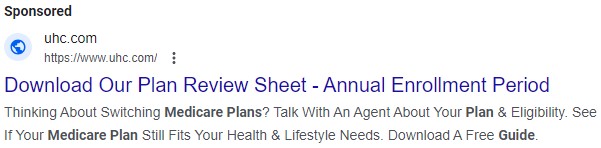
UnitedHealthcare knows how competitive (and confusing) Medicare can be. This ad copy encourages prospects to review Medicare plan coverage and costs, references the annual enrollment period to establish urgency, addresses relevant considerations like “health and lifestyle needs,” and notes that the resource is free to download.
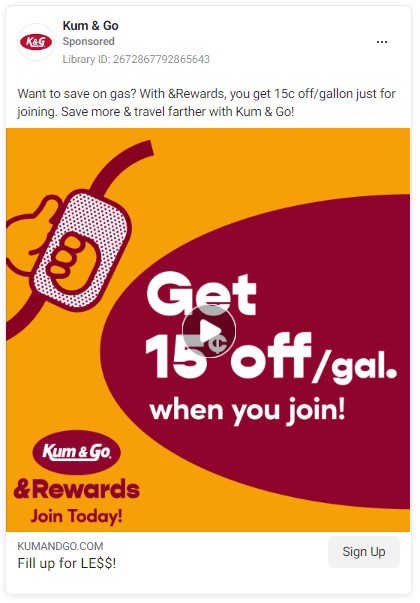
Convenience store chain Kum & Go generates loyalty program enrollment by offering fuel discounts upon signup. Both the ad copy and the animated graphic highlight those savings, and the calls to action to “Join Today” and “Sign Up” couldn’t be clearer.
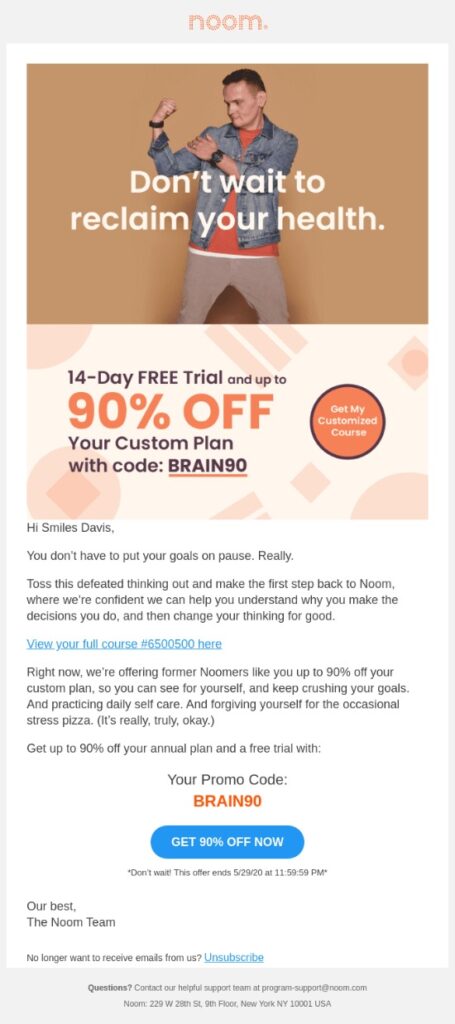
Weight-loss program Noom pulled no punches with this email, including a tried-and-true “don’t wait” headline for urgency, a personalized greeting, two offers for maximum value, a promo code for trackability, and a CTA to redeem before the expiration date listed below the button.
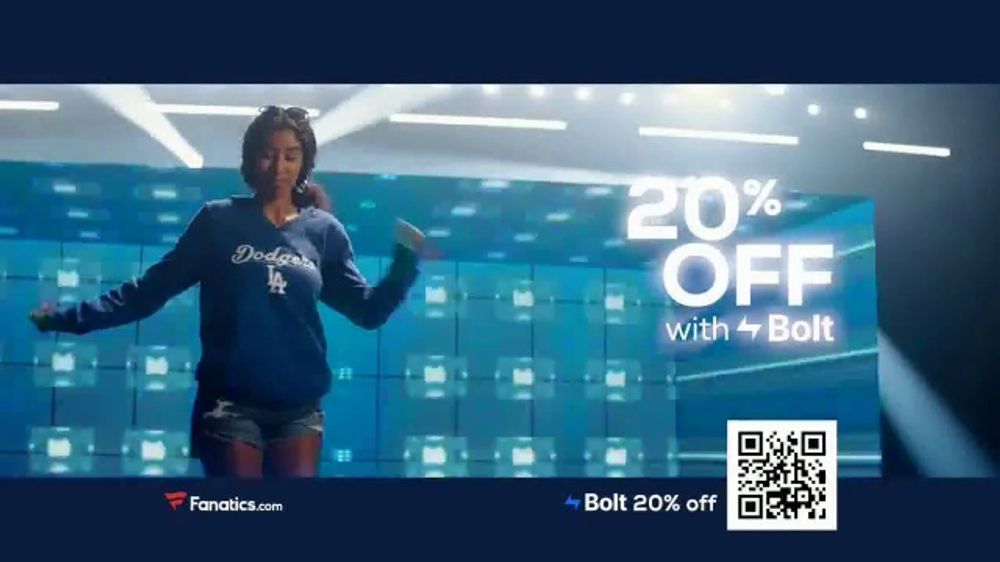
Who says you can’t get a response directly from a TV spot? Fanatics not only plays up the sports vibe by featuring athletes in their gear, but also provides a percentage-off discount and a QR code to make the shopping experience more seamless from the TV screen to the mobile device.
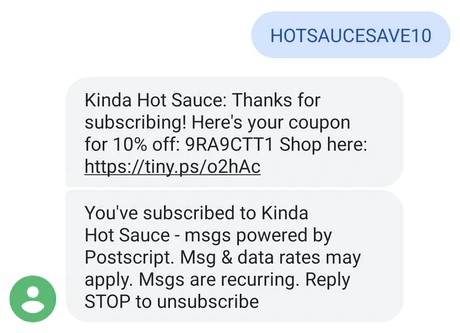
Kinda Hot Sauce leverages the trackability and convention of an SMS short code and keyword to kick off the subscription process, the enticement of a coupon via a redemption code (which is attributable back to this campaign), and the efficiency of an autoresponder to follow up with new members.

This local auto shop makes the most of its direct mail piece by personalizing the greeting, including three detachable coupons for in-store savings, and displaying a QR code so recipients can easily schedule an appointment using their mobile phones.
With competition for customers growing tougher by the day and media complexity ever-increasing, brands need to be savvy with their marketing efforts. Direct response ads can be a powerful supplement to your brand-building campaigns and help you nurture as many prospects as possible through the funnel. After all, only a tiny percentage of consumers are ever ready to buy at any given time. Direct response marketing can give audiences ample opportunities to get to know who you are, what you’re about, and what you can do for them.
—
Want one last example of direct response marketing? Here you go: The Basis Scout newsletter team tracks down the best articles, POVs, and reports from across the digital marketing landscape each month. Sign up today to get all that content delivered straight to your inbox each month!
A decade ago, the phrase “You’ve got to check out this new podcast!” would have befuddled most people. But today? It’s almost as common as hearing “Can I get a side of ranch with that?” at a pizza joint in the Midwest. It’s no secret that the podcast industry is booming, with more and more people tuning in to an unending variety of shows. There’s a podcast for almost every niche interest you can think of—including, but not limited to, pens, video game music, and Denzel Washington.
In a society where multitasking is the norm, podcasts offer a blend of information, entertainment, and advertising that weaves seamlessly into people’s daily routines. For marketers, this presents a distinct opportunity to connect with audiences when and where they’re engaged, and in contextually relevant environments, to boot.
That said, podcast advertising is a new(er) and ever-evolving space, and many marketers likely have some questions, such as: “Should I consider podcast advertising?” “If so, how can I get started?” “How much do podcast ads cost?” And, of course, “How can I place my ads on that podcast dedicated to pens?!”
We’re here to help: Read on to get the lowdown on everything advertisers need to know to harness the power of podcast advertising.
Before we dive into the nitty gritty of podcast advertising, let’s take a quick look at where the podcast space stands today. Here’s what marketing teams should know:
Considering this popularity among listeners and the increased interest from advertisers, it’s no wonder more and more brands are incorporating podcasts into their omnichannel strategies!
To advertise on podcasts, marketing teams first need to consider their target audience(s). Knowing your audience’s preferences, interests, motivations, and behaviors will help you select podcasts that align with your brand and message.
Once you’ve determined who you’re trying to reach, it’s important to get clear on your campaign goals and to align those goals with KPIs to measure progress. For podcast advertising, some of the most common KPIs include:
Next, it’s important to consider how you’re going to tap into podcast inventory. You can either purchase podcast inventory directly from a publisher (i.e., as a direct buy) or purchase it programmatically. Which purchase method you choose depends on your campaign goals, as well as the type of podcast ad(s) you’re running. Bonus: A good DSP will allow you to track podcast campaigns alongside all your other digital advertising channels, so you can understand the impact of your podcast ads within the context of your omnichannel efforts.
“This all sounds great,” many advertisers might say. “But how much do podcast ads cost?”
Generally speaking, the average cost per mille (aka CPM, or cost per 1,000 listeners) of a 30-second podcast ad is around $18, and a 60-second ad averages $25. That said, podcast ads can vary significantly in cost, depending on factors including the length of the ad, the type of ad, and listenership of the show.
There are many different types of podcast ads available—and selecting the best ones to utilize depends largely on your individual audience, campaign, and goals. Check out some of the most popular types of podcast ads below:
In addition to deciding which type of ad to use, it’s important to consider which podcast (or podcasts) are the right fit for your campaign. And when it comes to finding the right podcast, the best place to start is getting clear on who you’re trying to reach.
Once you’ve determined your target audience, you can hone in on which podcasts/podcast networks will best reach them. Contextual targeting is a particularly effective opportunity here: Because there are shows for basically any given topic, brands can find those that align with their product or service and then speak directly to engaged audiences who have a high likelihood of being interested in their offerings. For instance, a financial services brand might place ads in podcasts focused on personal finance, and a home goods brand might place ads in podcasts focused on interior design. Even more, contextual is privacy-friendly way to reach the right consumers.
In addition to contextual targeting, advertising teams might choose to dig into show demographics to determine where they can best reach their audience: For example, an auto brand wanting to reach Gen Xers might focus on certain news podcasts that are particularly popular with that generation.
A question that often arises when it comes to podcast advertising is whether to spread your ad budget across multiple podcasts or concentrate it on a single show. Though there’s no hard and fast rule, there are many benefits to diversifying your podcast ad placements, including:
Plus, since weekly listeners average nine podcast episodes per week, advertising on multiple podcasts can help teams connect with more listeners—and/or to connect with audiences at multiple touchpoints along their customer journey. By strategically advertising on multiple podcasts, marketing teams can reach audiences in contextually relevant environments that drive action and engagement.
Podcast advertising is an effective way to connect with audiences during their everyday routines. Whether during their morning commute, a mid-day walk, their daily workout, or while they’re cooking dinner, people tune into podcasts at many different times and in a variety of contexts. And, with a wide range of podcasts available—spanning topics like wellness, sports, true crime, health and fitness, news, politics, and more—advertisers can use the power of context to reach target audiences in a privacy-friendly way that fosters serious engagement.
__
Interested in learning more about how podcast advertising fits within a holistic digital audio advertising strategy? Check out our guide, The Digital Audio Advertising Guide: A Channel That Can’t Be Beat. In it, we analyze the latest trends, insights, and research to help advertisers make the most of their digital audio ad spending.
Welcome to Scout! Each week, our team tracks down the best digital marketing articles, POVs, and reports—so you don't have to. Here’s what to read from the week of 9/29/23 – 10/5/23 to stay ahead of the curve:
The WGA’s new deal with Hollywood studios is ushering in a new era of transparency around streaming metrics—and those residuals-inspired numbers are likely to have a residual impact on video advertising.
How do you solve a problem like made for advertising (MFA) sites? The ad industry is grappling with this inventory that sits in a grey space—not exactly fraudulent, but not high quality either—and advertisers will need to decide what this inventory means for their larger goals.
On the heels of last week’s Meta Connect event, the tech company is rolling out its first generative AI ad tools for developing creative. Features include background generators, image expansion (to fit multiple ad units), and a text variation tool that will allow advertisers to test up to six iterations of ad copy.
Ready to rock your Q4 campaigns in 2023? Gain valuable insights into the ever-evolving holiday advertising landscape in this new research report.
Climate change is affecting us all, and the implication of further inaction has started to impact agencies: Ad and PR firms are reportedly starting to see staffers quit rather than work with Big Oil clients.
Show off your marketing chops with our question of the week. This week’s hot topic: Political advertising.
How much did political ad spend on connected TV increase from the 2020 US election cycle to the midterms in 2022?
A. 7%
B. 22%
C. 48%
D. 63%
Get the answer, plus a deep dive on how political advertisers can embrace the rapid growth of CTV and effectively connect with voters, right here.
—
Want a monthly digest of all the best Scout content delivered straight to your inbox? Sign up for the Basis Scout newsletter!
Looking for an edge with your Q4 campaigns? This research report, based on a survey of 2,000 US consumers age 16+ and conducted in partnership with GWI, provides valuable insights into the evolving landscape of holiday shopping—giving you a strategic advantage when planning and fine-tuning your advertising efforts for the 2023 holiday season.
Insights include:
And that's just the start. Want access to all the insights, numbers, and forecasts for this year's holiday season? Download your copy of the report today.
What’s new in the realms of paid search and social media? This month, Amy Rumpler, SVP of Search & Social Media Services, compiled all the latest news, trends, and resources for easy access.
New insights from Google show that deal-seeking for holiday shopping happens throughout October and November—so position your brand by extending the shopping window, starting now! Google also found that holiday shoppers are less impulsive than you might think: They do their research early, watch for sales to begin, and care more about delivering a thoughtful gift than finding the best deal.

Speaking of holiday shopping, Meta is adding new ad optimization tools to its Business Manager suite, aimed at giving better control to advertisers looking to maximize performance in Q4. For example, a new time-based budget scheduling option was announced, which lets advertisers automatically increase spending for specific dates and time periods such as Black Friday, rather than having to manually adjust budgets or schedule separate campaigns and risk interrupting overall optimization learnings.
As TikTok Shop was introduced to users across the US this month, the platform has taken steps to educate marketers, brand representatives, and agencies on their ability to drive sales directly through the app. TikTok’s foray into retail is heating up in advance of Black Friday and the holiday shopping season, and stands to make big waves in the coming years: eMarketer forecasts that m-commerce will account for half of US e-commerce sales in 2027, driven by social commerce and, in particular, TikTok’s Shoppable Ads.
TikTok’s new Attribution Analytics is meant to help marketers understand the bottom line impact of TikTok advertising. Users on the platform are often inspired by content on TikTok but don’t always act to purchase until much later—an estimated 79% of TikTok-influenced conversions are missing from last-click attribution models. Attribution Analytics gives marketers an understanding of conversions across different time windows, view-through conversions, and other granular insights that a singular click-based lens doesn’t account for.
Nearly two in five social media users admit they’ve made an impulse purchase of a product they saw on social media in the last year, with the average shopper spending $754 on those purchases. Millennials spent even more, averaging a little over $1,000 in purchases. Sadly, over half of those shoppers regretted at least one of their impulse purchases afterward, indicating it’s not just the first purchase but what brands do to win and retain customer loyalty that matters (assuming, of course, that maximizing lifetime customer value is your endgame).

YouTube's new AI feature evaluates best practices in creative, such as logo usage, video duration, voiceovers, and aspect ratios, and then recommends "ideas to try." The feature will fully launch as part of a new Google Ads experience in 2024.
YouTube’s annual report discusses how changes in technology, content creation, and consumption have impacted both creators and viewers across the platform this year. For example, trends like fan-remixed content and AI-enhanced video have taken hold, leading to new levels of creativity. In fact, more than 82% of people online between the ages of 18 and 44 have posted videos in the last year, showing that content creation is for everyone, not just large, popular channels.
The Writers Guild of America and Screen Actors Guild strikes this year brought Hollywood to a halt, creating new opportunities for social media influencers to fill the content and entertainment void. eMarketer has projected that influencer marketing will grow 3.5 times faster this year than conventional social spending, but we’re now seeing some influencers branch out beyond social content distribution to create their own multi-channel media brands—and ad dollars could follow.
Pinterest shared quite a few updates and announcements at their annual Pinterest Presents summit this month. Most notable to advertisers are a slew of features designed to help connect better with audiences across their entire Pinterest experience. While not all features are available yet globally, many are now rolling out across the US. Also announced at the summit: new ad formats, integrations, and content tools.
While social media users appear to be posting less original content, engagement with stories and most platforms continues to grow, creating an opportunity for advertisers. In fact, research shows people spend more time on social media platforms than ever before, although time spent has shifted toward checking feeds, viewing influencer content, engaging in DMs, and interacting with short-form videos.
Ever wondered how Google generates autocomplete options when users enter a search query? This piece offers a useful overview of the AI that fuels the engine. Spoiler alert: It isn't perfect, but there is a way for brands to report a negative or false keyword.

—
Want a monthly digest of all the best digital marketing articles, POVs, and reports delivered straight to your inbox? Sign up for the Basis Scout newsletter!
Digital healthcare. Personalized medicine. Artificial intelligence. Like the broader healthcare landscape, the pharmaceutical industry is in the midst of quite a technological revolution! While many of these innovations present new and exciting opportunities for pharma brands, digital marketers may be feeling a bit of whiplash from the speed with which they're taking hold.
And it’s not just pharmaceutical systems and tools that are changing. The marketing landscape is evolving as well, as marketing teams prioritize the adoption of digital technologies and channels that grant them more granularity, precision, and efficiency. In fact, the pharmaceutical industry is projected to see an over 40% increase in digital advertising spend from 2021 to 2024.
To understand the biggest opportunities in the pharma marketing space right now, we spoke with Ryan Sperry, VP of Integrated Client Solutions at Basis Technologies. With a decade’s worth of digital marketing experience, and specific expertise within the pharma space, Ryan has a deep understanding of how marketers can adapt to the complex landscape and set their campaigns apart.
Read on for Ryan's top insights for pharmaceutical marketing in 2023:
Ryan Sperry: I’d say the need for taking an omnichannel approach, which focuses on creating a seamless, holistic customer experience across all the channels where an audience spends time. It's not a new concept—omnichannel marketing has been around in media for quite a while, especially with digital. But traditionally in the pharma sector, there’s been a focus on a multi-channel approach, and just hitting patients in different places without a cohesive strategy. Now, there's a growing focus on omnichannel, and that’s true for both healthcare provider (HCP) and patient targeting.
On the patient side, this is especially important because a lot of consumers these days are doing their own research to figure out what healthcare decisions they want to make. They expect ads to speak to them directly with content that makes sense based on where they fall in the patient journey. Marketers in the pharma industry are starting to realize that with a targeted and data-driven approach, they can tailor their targeting and creative to do more to maximize ROI.
To start transitioning into an omnichannel approach, it’s helpful to look at where you’re reaching someone in the patient journey, as well as where patients are first being introduced to the brand. Are you reengaging them after they've visited your website? Are you reengaging them when they're at the doctor's office? The idea here is for your marketing strategy to be cohesive, rather than just a bunch of different branding ads in a bunch of different places.
RS: Patients are gaining more and more power when it comes to healthcare decision-making. There’s even a good chance that they will soon have the ability to automate their diagnoses by entering data into AI-driven personalized medicine platforms. And, with the rise of personalized health tools like fitness trackers, patients also have new data to work with that makes it easier for them to self-diagnose. As pharmaceutical technology and patient enablement increase with AI innovations, patients will have even more agency to make health decisions before they even step foot in a doctor’s office.
This is something pharma marketers will need to pay attention to, because these developments will push people into even more contextually relevant digital spaces. As patient behavior changes (along with the spaces in which those patients spend their time, be it condition-specific centers or telehealth platforms), marketers will need to keep tabs on the shifts and adjust their strategies accordingly.
RS: Having the right measurement structures in place. As with any campaign, it’s important to go beyond front-end metrics like impressions and clicks if you want to see real results. Unified reporting and measurement can help create a cohesive omnichannel strategy that speaks directly to individual HCPs and patients, and stands out in a crowded market.
On the patient side, for example, you’ll want to look at things like audience quality—which allows marketers to measure how well their reached audience matches with their intended audience—and RX lift studies, where marketers can use tools like IQVIA or Crossix to measure prescription lift as a result of digital advertising. Then, teams can better assess whether they’re seeing ROI from those campaigns and optimize accordingly.
—
Interested in working with experts like Ryan? Connect with us to find out how our media strategy and activation services put pharma marketers on the cutting edge of HCP and patient targeting.
There are certain words that just feel good. For example: “Free.” “Saturday.” “Birthday.” And of course: “Guaranteed.”
There’s not much that’s guaranteed in life, which must be why phrases like “money back guarantee” and “satisfaction guaranteed” are so nice to see as a consumer. In the context of selling goods and services, these slogans—and the promises that come with them—give consumers some extra agency. And in the context of today’s economic upheaval, that agency is particularly meaningful.
But consumers aren’t the only ones impacted by a turbulent economy, and advertisers could use a little extra agency, too. Luckily, there’s a programmatic buying method that offers just that: programmatic guaranteed. Read on to learn what it is, see how it differs from other buying methods, and discover all the ways it can benefit your campaigns.
Programmatic guaranteed is all about automation and assurance. Let's start with the automation part: For a programmatic guaranteed buy, advertisers may get to sync their data management platform (DMP) with the publisher’s DMP in order to access specific publisher audiences that they want to target via device ID or third-party cookie match.
Next, the assurance part (and this is where that glorious “guaranteed” word comes in): In programmatic guaranteed deals, advertisers are guaranteed a certain number of impressions and a fixed CPM up front. No holding your breath to see if your campaign will run over budget or having to explain why it didn’t garner as many impressions as you planned—with programmatic guaranteed, what you see is what you get!
“This all sounds great,” some advertisers might say. “But what does the process of a programmatic guaranteed deal actually look like?” Here’s how it works:
A programmatic guaranteed deal starts with negotiation and agreement between an advertiser and a publisher within a demand-side platform to create a customized deal. At this time, details such as the ad inventory, ad placements, pricing, and targeting are agreed upon (and, as the name suggests, guaranteed!).
The programmatic guaranteed deal is then set up within the DSP to automatically execute based on the agreed-upon terms. As the deal is executed, advertisers can access real-time reporting and analytics to monitor and track performance of their campaign.
Parts of this process might sound similar to other buying methods. Let’s review how programmatic guaranteed differs from direct buying and PMPs:
You could call programmatic guaranteed a perfect marriage between direct and programmatic buying. With programmatic guaranteed, advertisers can access the premium ad placements and guaranteed inventory that come with direct deals, while benefiting from the digitized, automated nature of programmatic.
Direct buys can be somewhat complicated to set up and execute, because they require negotiating and communicating with publishers outside of the platform you use to run media. Programmatic guaranteed puts all those interactions inside the DSP, so advertisers can quickly and easily swap out creative, or even pause campaigns immediately (depending on the publisher with which you’re working).
Like direct buying, private marketplace (PMP) advertising is all about exclusive, premium inventory. However, while PMPs are exclusive in that they can only be accessed by a limited number of advertisers who are invited, programmatic deals are set up directly between the publisher and the advertiser.
PMPs are great for securing prime inventory at pre-negotiated rates, but they don’t ensure a certain number of impressions. Plus, one publisher can have hundreds of PMPs, which further complicates an already dizzyingly complex media landscape for marketers. With programmatic guaranteed, on the other hand, advertisers can secure the exact number of impressions and the exact target audience they want.
Now that we’ve covered what goes into a programmatic guaranteed deal, and how it differs from other buying methods, let’s take a look at what running an effective programmatic guaranteed campaign entails. Though some things will vary depending on your individual campaign and goals, there are a few steps all advertisers should take:
By working through these key stages, advertisers can make the most of their programmatic guaranteed deals and ensure they run smoothly, start to finish.
By this point, you already know about the automation and assurance advantages offered by programmatic guaranteed. But those qualities add up to a number of other benefits that advertisers should be aware of. In order to review those, we’ll call upon some more happy words—like “savings,” “consolidated,” “exclusivity,” and “transparency”—so get ready for a little adtech endorphin boost! Here we go:
As we’ve discussed, programmatic guaranteed automates many of the manual tasks associated with direct buys, including data entry and IO creation. The fact that programmatic guaranteed streamlines these tasks from within a DSP not only reduces errors, but also saves significant amounts of time. In today’s fast-paced advertising landscape, the agility these time savings provide is crucial.
Billing for direct buys can be complicated. Manual IO management and communication between publishers and advertisers take up a lot of time, can be error prone, and are handled separately from other buying methods advertisers use. In contrast, billing for programmatic guaranteed doesn’t require any exchange of agreements or orders between publishers and advertisers. Instead, it can be automated and consolidated within the digital advertising platform—no additional bills required.
Like billing, reporting for programmatic guaranteed buys is automated and consolidated within a DSP. This allows advertisers to look holistically at campaign performance and assess conversion attribution comprehensively. As omnichannel advertising increasingly becomes a must for advertisers wanting to reach consumers in the most opportune moments, it’s a huge benefit to be able to quickly and easily pull holistic reports to assess campaign performance from every angle.
Programmatic guaranteed deals are typically given high priority by publishers, and there are instances in which publishers are setting inventory aside just for these kinds of buys. Want the most exclusive, premium inventory on the market? Then you want programmatic guaranteed.
With programmatic guaranteed deals, advertisers know exactly what they’re getting ahead of time when it comes to spend and impressions. Even better, those numbers don’t change for the entire duration of a campaign. This transparency and predictability make it easier for advertisers to plan their campaigns more effectively, as they don’t have to worry about under-delivery or under-spend. Plus, all the campaign information is contained within the DSP in real time—there's no waiting for publishers to send reports or confirmation.
Let’s recap: Savings. Exclusive. Holistic. Transparent. There sure are a lot of reasons to love programmatic guaranteed!
Realistically, of course, advertisers will need to tap into all the different media buying methods, depending on the situation, to make the most of their marketing spend. And when it comes to premium inventory, PMPs—like programmatic guaranteed—are a great addition to any marketer’s toolkit.
Want to learn more about the best ways to access premium inventory? Check out our private marketplaces page for all the details.
Willkommen, beer lovers! It’s time for Oktoberfest, Munich’s extravaganza of carnival rides, parades, German foods… oh, and did we mention beer?
At the official Oktoberfest, only six Munich-based breweries are allowed to serve beers that, by 500-plus-year-old purity laws, must be composed of just six ingredients: water, barley, hops, yeast, wheat malt, and/or cane sugar. For brewers, the process of crafting a beer that both adheres to these standards and stands out from the competition requires careful planning and attention to detail—sound familiar, digital marketers?
Tradition looms large at Oktoberfest, but at the same time, change is a constant (again: Sound familiar, digital marketers?). While millions of people flock to Munich for that traditional six-ingredient Oktoberfest beer, brewers around the world honor the event by crafting brews that experiment with unique but inspired ingredients. Coriander, sage, grapefruit…pickle? Hey, where there’s a taste bud, there’s a beer.
Digital marketers can learn a lot from these Oktoberfest-inspired brewers: Just like crafting an award-winning beer, crafting a standout digital marketing campaign takes quality “ingredients,” tons of creativity, and a test-and-learn approach. So, let’s lift the lid on how marketers can stand out from the pack with a gold-medal digital advertising campaign.
Knowing that all beer essentially starts with water, malt, hops, and yeast, what makes some beers rise above the rest? A well-defined recipe using premium ingredients like roasted malts that affect color and sweetness profiles, aromatic hops that range from piney to citrusy, imported yeasts, and even high quality water can turn a standard beer into a standout for the discerning drinker, which leads, in turn, to big benefits for brewers.
Similarly, marketers with a well-defined audience can crack open premium inventory through private marketplaces (PMPs) and buying tactics like programmatic guaranteed to advertise where their ideal customers reside online. PMPs offer many benefits, including limited competition, high-quality audiences, and premium, privacy-friendly inventory. Programmatic guaranteed raises those stakes with an added layer of predictability—the chance to lock in the cost and number of impressions upfront—and, thus, streamlined efficiency. These sorts of exclusive, customizable inventory opportunities can increase the relevance of, and customers’ response to, an ad campaign.
Premium ingredients result in premium beers, but brewers often raise the bar by tapping into trends to create new flavors, gain more attention and, better yet, increase share of wallet. For example, beer brands follow seasonal flavor trends, from shandies in the summer to pumpkin spice in the fall. They also monitor consumer health and lifestyle issues, with some brewers developing low-calorie and non-alcoholic beer options to appeal to wider audiences; and broader cultural issues like environmental responsibility, resulting in operational initiatives for breweries to lower their carbon footprints.
Advertisers can also leverage trends to better connect with their audiences. For example, how about this spec ad for Heineken that leveraged this summer’s “Barbie” fever? It went viral because it capitalized so well on the cultural moment the movie created. While some trends bubble up from popular culture, others are specific to certain industries, or stem from consumer behaviors, such as digital audio listenership growing, or time spent watching connected TVs increasing. Changing consumer values also count as trends—even the digital advertising industry is acting on the public’s environmental concerns, for instance.
So to really quench your target audiences’ thirsts, think outside the cooler: hop on cultural trends, consider alternate or emerging media options, and invest in understanding your consumer well enough to surprise and delight them.
What would a frosty stein of beer at Oktoberfest be without the alcohol and carbonation? Well, you can’t have either without an important step in the brewing process called fermentation, when the glucose in the wort turns into ethyl alcohol and carbon dioxide gas. Fermentation takes place after preparation and brewing, but before bottling or canning, and is the step that takes the longest but is necessary for a brewer to get optimal yield.
Just like the time it takes for a brew to ferment, the first stretch of a digital ad campaign can yield results that lead to subsequent real-time optimizations, such as altering media choices, targeting, and creative. In fact, the earlier a campaign begins—even just a month earlier—the more learnings there are to be gleaned, the further costs can be driven down, and the more efficiently a campaign can run.
Think about a time you went to a new brewery, saw the array of drink options on the menu, and ordered a flight to try a few brews before settling on a pint of your new favorite flavor. You turned lots of information into a data set from which you made an informed (and tasty) decision. Similarly, utilizing automated reporting tools that merge disparate data sources into one unified area can drive better optimization decisions and create more efficiency for your team.
As the festivities of Oktoberfest bring people together in celebration of a centuries-old tradition, and beer often, well, just brings people together, a full-bodied digital marketing campaign can also unite your target audience with your brand. With premium “ingredients,” abundant creativity, and experimentation with intent to improve, advertisers can brew a successful digital advertising campaign that stands out from the pack. Prost!
—
The movement towards privacy in digital advertising is as complex as a Belgian sour (if not more so!). For guidance on managing that complexity, check out our guide to privacy-friendly advertising: It’s your one-stop shop for everything advertisers need to know about the cookieless future.
Welcome to Scout! Each week, our team tracks down the best digital marketing articles, POVs, and reports—so you don't have to. Here’s what to read from the week of 9/15/23 – 9/21/23 to stay ahead of the curve:
Talks have resumed between ByteDance and the US government regarding federal access to and control over user data. This will likely postpone any possibility of the social platform’s sell-off or nationwide ban—a welcome development for brands who’ve leaned into advertising on TikTok.
Speaking of social, while Snapchat gets less attention than TikTok, the platform’s renewed focus on augmented reality (AR) may open new opportunities for advertisers. Here, learn what marketers should know about Snap’s recent ups and downs, and how to best leverage the channel.
In this op-ed, Columbia Law Professor Constance Wu explores how the verdict of the Justice Department’s antitrust lawsuit against Google’s parent company, Alphabet, will set a precedent for regulating tech competition that will impact "the battle over commercialized artificial intelligence, as well as newer technologies we cannot yet envision.” No big deal!
According to new findings from the FTC, children are struggling more and more to discern advertising from other types of content, particularly on gaming platforms. As a result, there’s a huge push for increased regulation when it comes to child safety on these platforms.
With all the buzz around generative AI, there’s also been significant concern around data and privacy—particularly from companies concerned with protecting their proprietary data. OpenAI’s answer: ChatGPT Enterprise, a tool that allows employers to own and control their business data.
Show off your marketing chops with our question of the week. This week’s hot topic: Higher education.
In what year will higher ed institutions likely see a significant enrollment drop off, caused by a US population shift during the Great Recession?
a) 2025
b) 2026
c) 2027
Get the answer, along with a deep dive into how higher ed marketers can adjust to this changing landscape, right here.
—
Want a monthly digest of all the best Scout content delivered straight to your inbox? Sign up for the Basis Scout newsletter!